Vat Case A “significant Win For Taxpayers”.
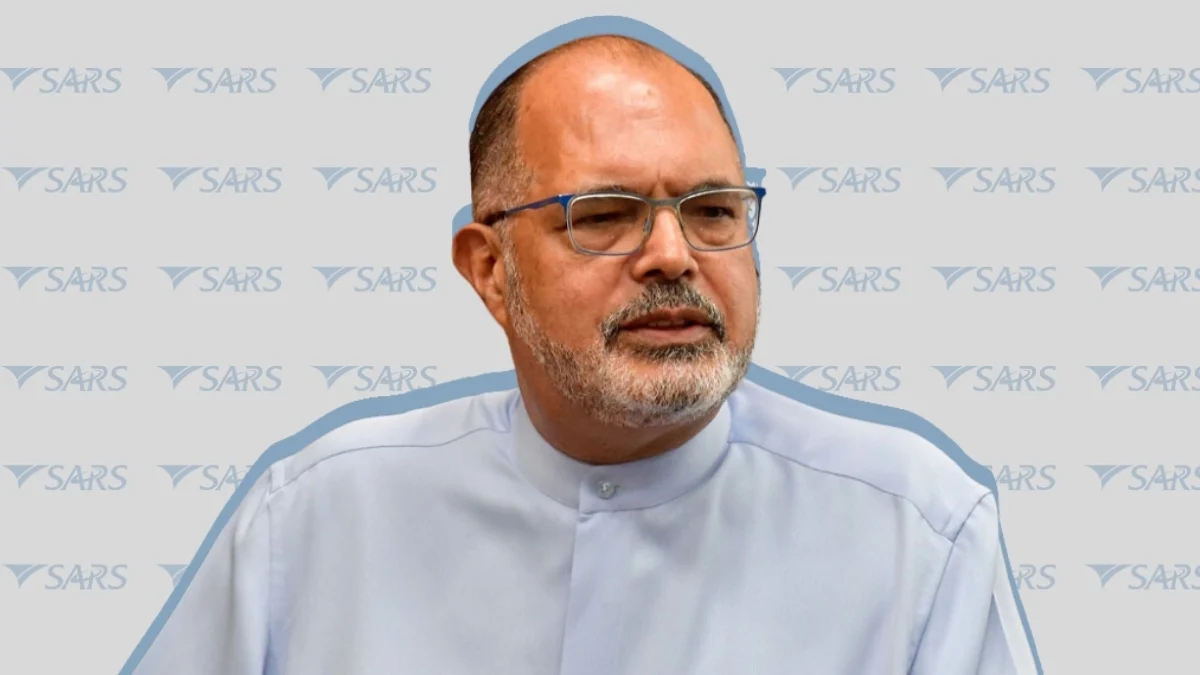
The Supreme Court of Appeal recently ruled in Woolworths’ favour in the retailer’s case against SARS
2025-07-10
The Supreme Court of Appeal has recently sided with Woolworths in its dispute with SARS, confirming the retailer’s right to claim over R8 million in input VAT—a decision with positive implications for other South African taxpayers.
Micaela Paschini of Tax Consulting South Africa described the outcome as a “significant win for taxpayers.” The case stems from Woolworths’ 2014 acquisition of Australian retailer David Jones for R21.4 billion, part of its strategy to expand internationally. To finance the deal, Woolworths launched a R10 billion Rights Offer, issuing new shares to existing shareholders and incurring substantial underwriting fees.
According to Paschini, these underwriting fees attracted millions in VAT, of which Woolworths claimed R8.47 million as input tax, arguing that the share issue was integral to its business as an active investment holding company. SARS, however, disagreed, contending that Woolworths was not regularly engaged in issuing shares and treating the Rights Offer as a one-off event outside the scope of its enterprise.
SARS also denied Woolworths reductions in output VAT for “imported services” and imposed a 10% understatement penalty of R2.1 million.
In its 4 July 2025 judgment, the Supreme Court of Appeal rejected SARS’ narrow interpretation of a vendor’s activities. The court found that Woolworths operates as an active investment holding company, where raising capital is a core function. It emphasized that the VAT Act covers activities “in connection with the commencement of an enterprise,” meaning a once-off capital-raising transaction can still form part of the enterprise, especially for holding companies.
The court also ruled that services Woolworths obtained from certain foreign underwriters were not “imported services” subject to extra VAT, as they were used to further the company’s enterprise. The 10% understatement penalty was set aside, with the court finding no basis for SARS’ claim that Woolworths had acted negligently or failed to disclose a tax opinion in time—the opinion was both timely and legally correct.
Although SARS was granted condonation for its late appeal, it was ultimately ordered to pay Woolworths’ legal costs, including those of two counsels.
Implications for Taxpayers
Paschini noted that the ruling spares Woolworths further VAT liabilities and offers important relief for businesses using offshore advisers in corporate transactions. She highlighted that the judgment comes at a time when many taxpayers are facing SARS audits and revised assessments aimed at clawing back VAT refunds, sometimes on the grounds that no genuine enterprise exists.
“The Woolworths case signals that SARS cannot cherry-pick transactions in isolation,” Paschini explained. “Courts will look at a taxpayer’s business as a whole, especially for holding companies with broad, strategic activities.”
The judgment made it clear that a comprehensive view of a vendor’s activities is required, rather than focusing on isolated transactions. “The inquiry is not narrow or restricted. In this case, SARS impermissibly isolated the share offer instead of examining the enterprise holistically,” the court stated.
This decision comes amid increased vigilance from SARS, which has become more aggressive in litigation and in disallowing input tax deductions. Paschini observed that SARS often scrutinizes whether transactions are truly part of a taxpayer’s enterprise, leading to more revised assessments, reversed VAT refunds, and legal challenges.
“For corporates, especially those planning mergers, acquisitions, or capital-raising, this case is a reassuring precedent,” she said. “It clarifies that capital-raising costs can qualify for VAT deductions when linked to the vendor’s enterprise, even if the transaction is a once-off.”
“The ruling sends a clear message that SARS’ enthusiasm for litigation cannot override the fundamentals of the VAT system, which is designed to tax final consumption, not legitimate business operations carried out in the ordinary course.”
Recent posts
- Barriers Holding Back Rural And Township Business
- Why Legal Risk Is Becoming A Live Business Metric…
- Why Fica - Businesses Selling Items Over R100k
- Why Legal Risk Is Still Managed After The Party …
- The Fine Print That Runs A Company
- Verbal Agreements In Sa
- Why High-friction Compliance Is Failing
- Escalating Regulatory Complexity
- Cyber Breach
- Navigating Financial Distress


